
As funding, travel and delegate expectations evolve, international events are responding with sharper audience insight, more resilient planning and stronger collaboration
INTERNATIONAL CONFERENCES remain one of the most impactful ways to connect global communities, accelerate discovery and promote shared knowledge. In a more complex international environment, that purpose matters more than ever. But delivering it calls for a clearer understanding of what delegates need, what makes an event worth the journey and how every partner can contribute.
At EICC, we see and help shape those conversations every day through the events we host, the partnerships we build across Edinburgh and the practical tools we develop with organisers.
The questions being asked now look different from even five years ago, but they are prompting better planning, deeper audience insight, and more resilient delivery.
Creating the event people choose
“It is no longer just about the value of the event,” says Kate Baylis at event agency EMC3. “It is also about how easy it is to get there, how safe it feels, how much it costs, and whether the business case for travel still holds.”
For some academic and scientific associations, restrictions affecting institutional travel budgets, including within parts of the US, alongside reduced pharmaceutical support, mean fewer delegates can attend as a matter of course.
“I think it is affecting collaboration between different learning institutions in different parts of the world,” says Margaret Sherry, Managing Director of Edinburgh-based PCO In Conference.
With fewer delegates able to attend freely, competition for those who can has intensified. “There have always been competing events, but the issue was that you could go to more than one,” says Margaret. “Now it is restricted, so the scientific programme really has to be the thing people want to attend.”
“The strongest planning conversations begin with the audience: who an organiser needs to reach, what might prevent them from attending and what would make the experience genuinely valuable”
- Amanda Wrathall, EICC

For EICC, this means not simply forecasting how many people might come but understanding what will make the event worth choosing.
Making attendance count
When delegates are choosing one event rather than several, every element of the experience has to earn its place. The programme is still key, but so are travel, accessibility, networking, and the value delegates can take back to their institutions.
“The strongest planning conversations begin with the audience: who an organiser needs to reach, what might prevent them from attending and what would make the experience genuinely valuable,” says Amanda Wrathall, Chief Executive of EICC. “Involving the venue and destination partners early creates much more scope to connect those needs with practical solutions.”
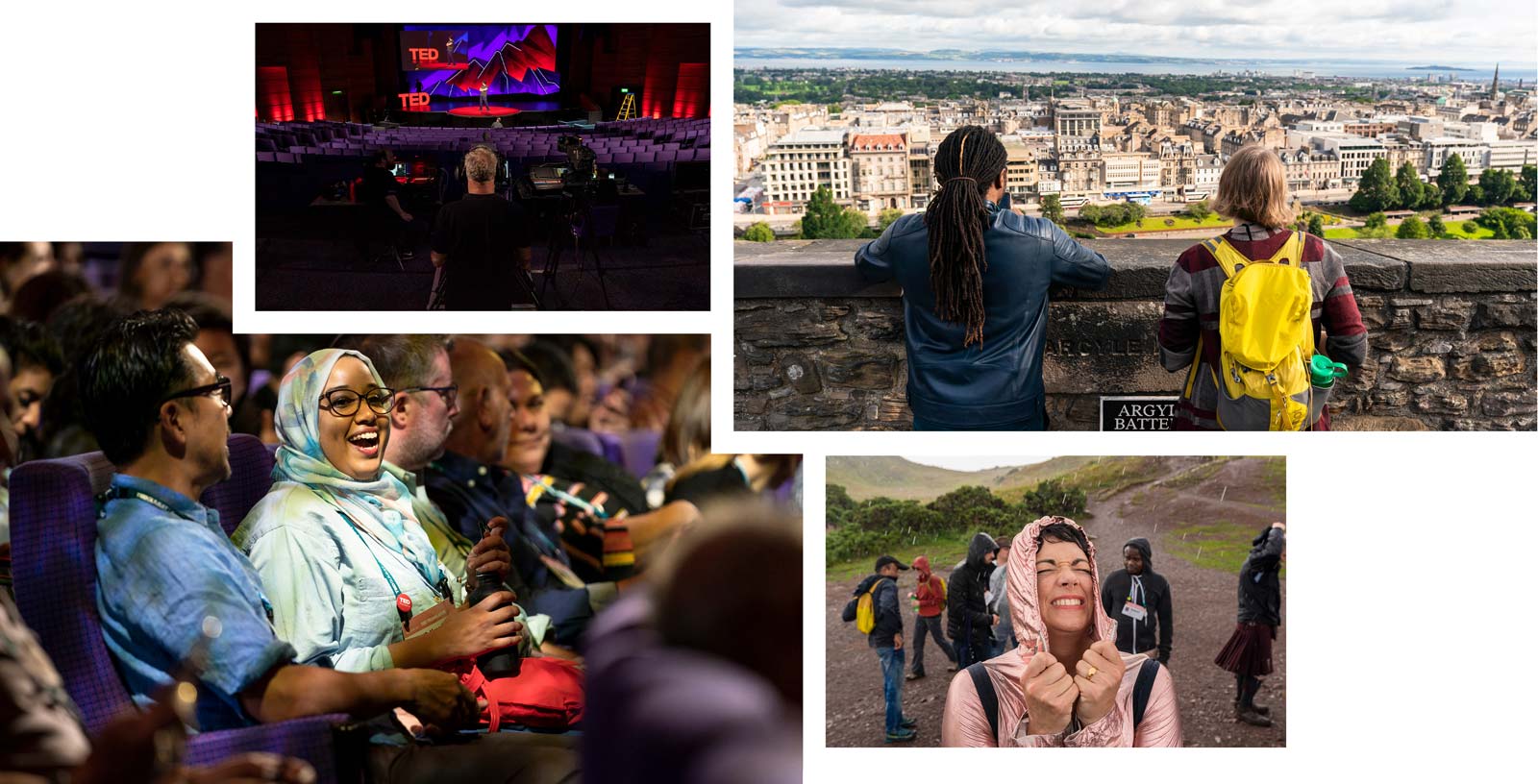
That audience-first approach also means considering the different ways in which delegates experience an event. EICC’s Neurodiversity in Events Checklist, developed with Welcome Brain and ABPCO, helps organisers identify and reduce potential barriers throughout the delegate journey, with practical considerations covering registration, quiet spaces, badge systems, and alternative presentation formats.
Designing for change
The sector is also becoming more confident at planning for change, with adaptability built in from the outset.
“When something changes, clients need a clear understanding of the options in front of them,” says Lily Brock at EMC3. “We start by identifying what needs to be protected: the audience experience, the commercial objective, the content, the client relationship or the brand moment.”
That might mean reworking the programme, adjusting the room set, changing the production approach or adapting the attendee strategy. “The key is making sure the event does not feel like a compromise,” Lily adds. “Delegates should still feel like the experience has been designed with purpose.”
EICC’s integrated event planning, technical production and catering teams can explore those options together, helping organisers understand the operational and commercial implications before decisions become urgent.
“The things that make a conference matter: the mentoring, the collaboration, the sense of community you cannot replicate on a call”
- Margaret Sherry, In Conference

Margaret describes a recent bid for a major association meeting. Although the proposal itself was strong, changing delegate perceptions of the proposed host country affected likely attendance and therefore the commercial viability of the event. The association ultimately selected a different destination.
Those perceptions are increasingly part of destination planning: how different audiences view accessibility, welcome and value, and what that could mean for attendance and commercial viability.
Technology can provide another layer of resilience. Hybrid provision is re-entering planning conversations, although Margaret cautions against treating it as a substitute for being there. “You start to lose the things that make a conference matter: the mentoring, the collaboration, the sense of community you cannot replicate on a call.”
Hybrid, streaming and recorded formats can extend access, protect delivery, or give content a longer life, while preserving the value of gathering in person.
Partnership, built in
Venue selection has become, Kate says, “much more strategic”. Organisers are evaluating not only capacity and availability, but transport links, hotel stock, accessibility, sustainability, and commercial flexibility.
Clients are asking more detailed questions about waste, local suppliers, and environmental impact. “Venues that can provide clear commitments, not vague promises, are much easier to recommend,” says Lily. EICC’s Step Change programme brings environmental, societal, and economic impact into event planning, while bespoke Event Impact Reports provide data and recommendations that can inform future events.
That planning depends on timely, transparent communication. “We need venues to be transparent about what is possible, where there is flexibility and where there are hard limitations,” Lily adds.
Amanda says transparency needs to run both ways. “Good partnership depends on a clear view of objectives, attendance assumptions, budgets, operational constraints, and risk. The aim is to solve challenges together, rather than transfer cost or risk from one partner to another. The strongest relationships are built over time, creating the trust and understanding needed to adapt when circumstances change.”
“We are seeing increasing interest in cities that can offer delegates a distinctive experience while still delivering strong connectivity, infrastructure and venue quality”
- Kate Bayliss, EMC3

“We need to know that if delegate numbers change, we have that relationship with the venue to adapt,” says Margaret.
Edinburgh strengthens the case
Edinburgh combines international appeal with a compact, connected delegate experience, while EICC’s relationships across the city turn those strengths into practical support.
“We are seeing increasing interest in cities that can offer delegates a distinctive experience while still delivering strong connectivity, infrastructure and venue quality,” says Kate. “Edinburgh has a strong sense of place, a compact city centre, good hospitality, cultural pull and strong transport links.”
The city’s academic and knowledge sector credentials add substance to that appeal. Through the Exchange Initiative, EICC works with Edinburgh’s universities and NHS Lothian to connect organisers with local expertise, strengthen event content and create opportunities for knowledge exchange beyond the venue.
Through EICC Gateway, a network of accommodation providers, PCOs, suppliers, academics and city partners can be brought together to strengthen bids, simplify planning and shape the wider delegate experience, including through travel and city discounts. The Desk to Door journey planner helps delegates compare more sustainable routes to Edinburgh and EICC, supporting more informed travel choices from the outset.
Margaret, who has brought international conferences to Edinburgh for decades, sums up the relationship: “Edinburgh is very attractive to delegates. We work a lot with the EICC, and that is a kind of perfect venue. You are working in partnership.”
Ready for what comes next
International event planning may be more complex, but it is also becoming more informed, collaborative and inventive.
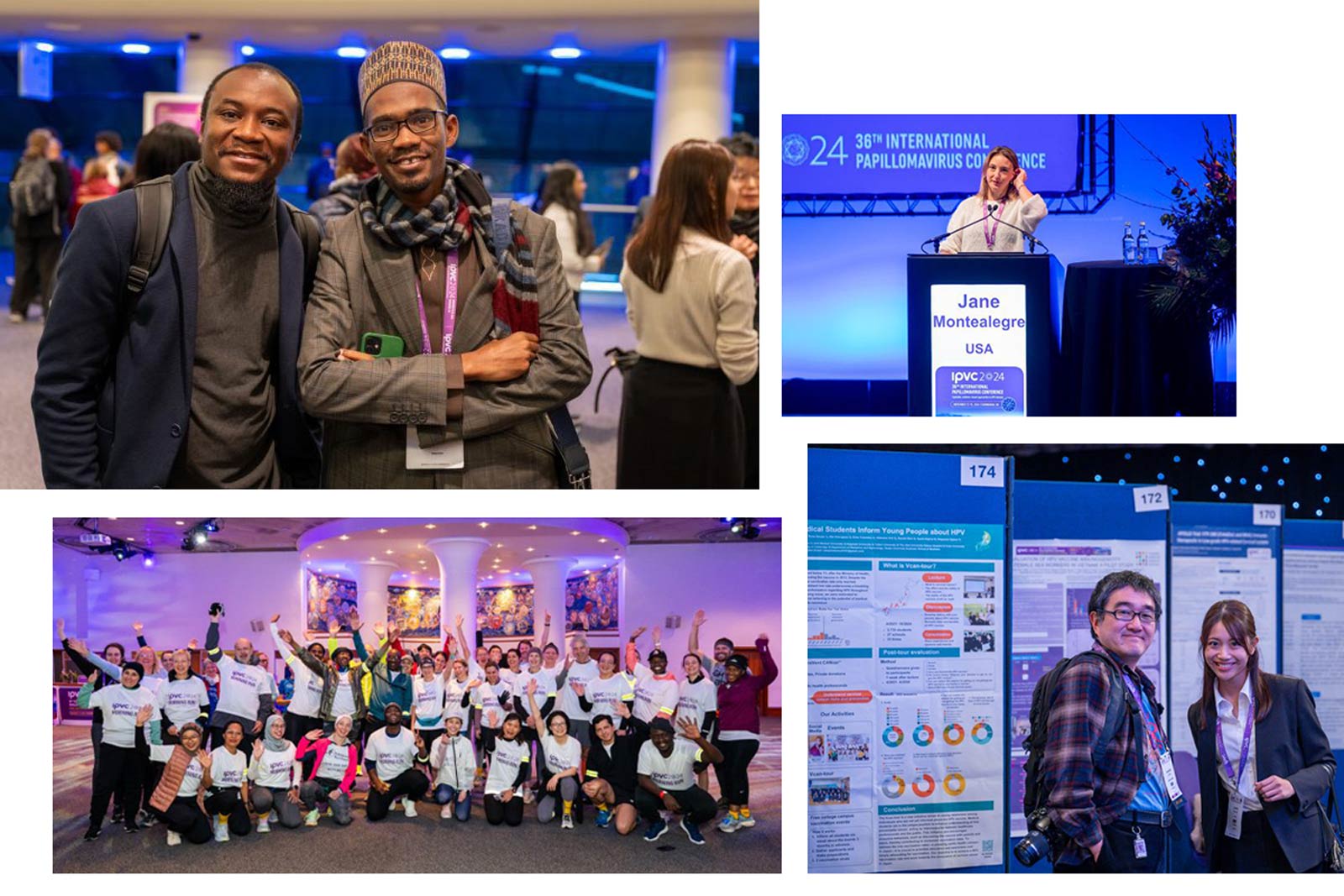
“The value of meeting in person, sharing knowledge, building trust and creating connections, is as strong as ever,” Amanda says. “Our role is to work with organisers and partners across Edinburgh to turn that value into events that are accessible, resilient and worth the journey, through open planning, purposeful innovation and relationships that endure beyond one booking.”
Planning an international conference and want to explore how the EICC can support you? Call us on +44 (0) 131 300 3000 or complete the enquiry form below.