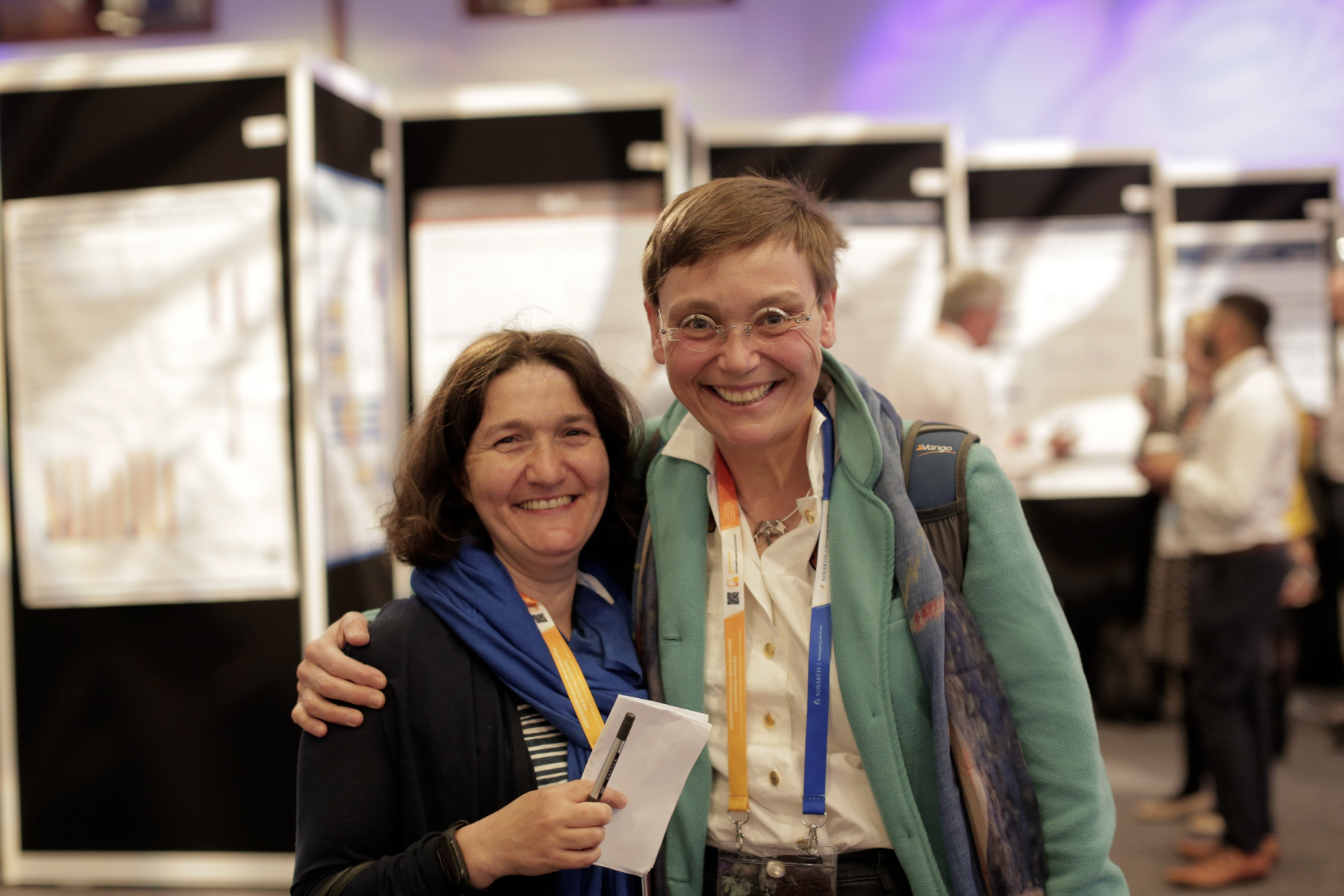
As Edinburgh Medical School marks 300 years, three conference organisers explain how bringing the world’s experts together could help shape what comes next.
THIS YEAR, Edinburgh Medical School celebrates three centuries of medical innovation - from James Young Simpson’s pioneering use of chloroform as an anaesthetic to the UK’s first successful kidney transplant.
For the doctors and researchers following in their footsteps, that history is a reminder of what their own work can make possible. Professor Asier Unciti-Broceta, Personal Chair of Medicinal Chemistry, remembers encountering it soon after he arrived in the city. “I’ve lived in Edinburgh for 21 years and I still remember the first time I saw James Young Simpson’s commemorative plaque at The Balmoral. That’s a piece of history right there.”
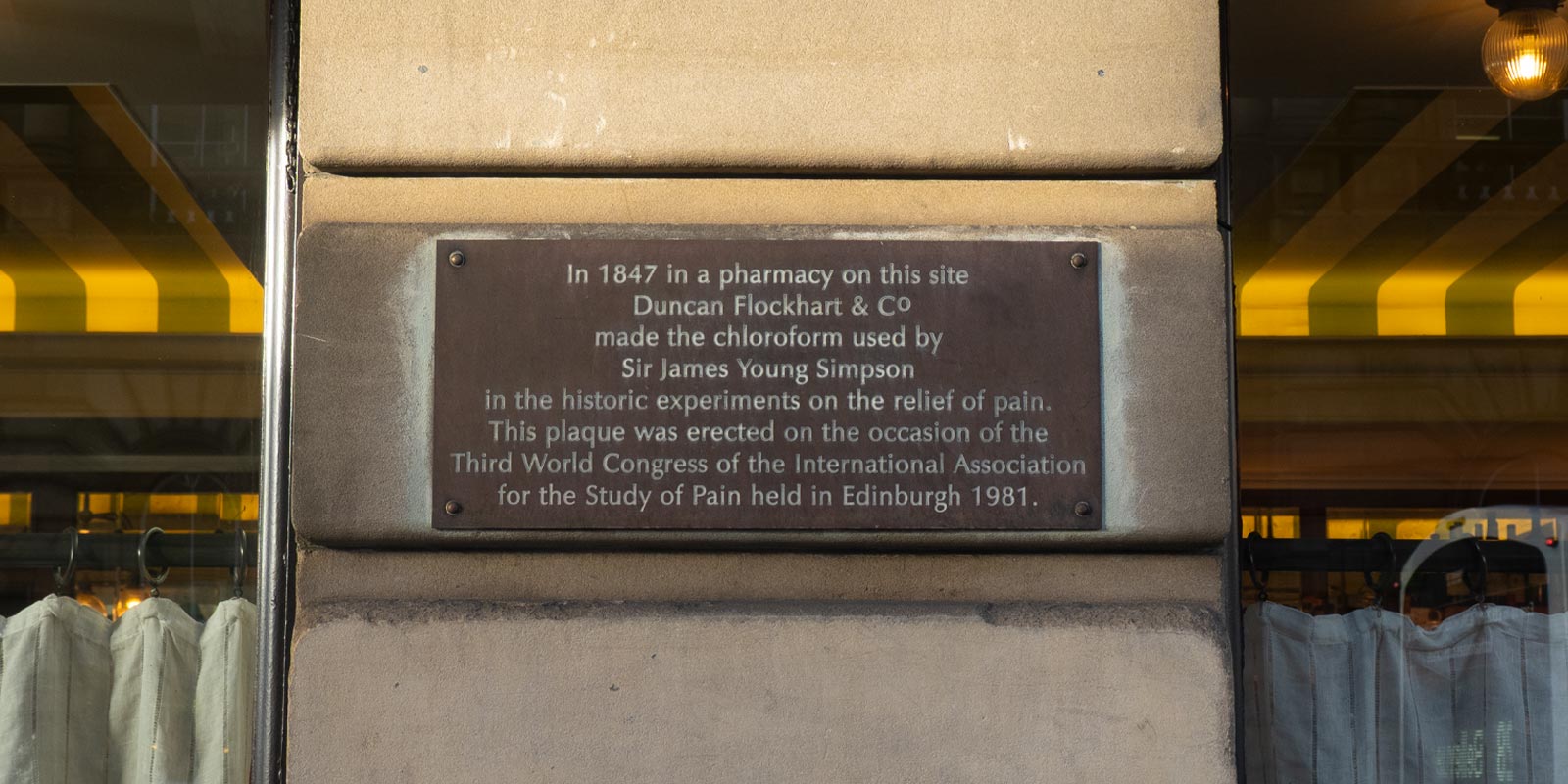
“I’ve lived in Edinburgh for 21 years and I still remember the first time I saw James Young Simpson’s commemorative plaque at the Balmoral. That’s a piece of history right there.”
– Professor Asier Unciti-Broceta, University of Edinburgh
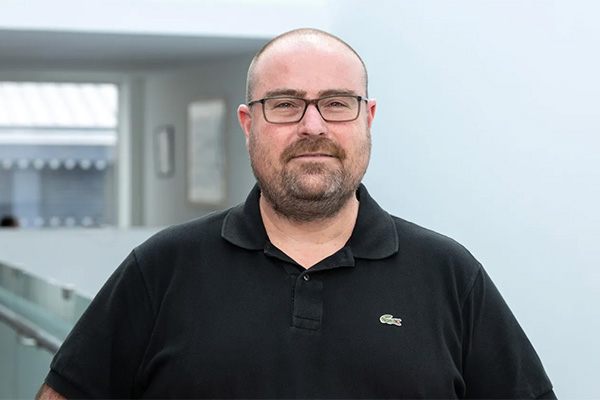
Asier drew on Edinburgh’s research heritage in his successful bid to bring the EFMC Synthetic and Medicinal Chemistry Symposium to the city in 2027 - its first UK meeting in a decade. Asier explains that he worked closely with EICC not only as the venue for the event, but as a key partner in the bid itself.
“The bid combined the strengths of EICC, the capital city and Scotland itself, with its centuries of research influence,” he says.
Where connections lead
This kind of partnership sits at the heart of our Exchange Initiative, which connects the conference centre with Edinburgh’s universities and NHS Lothian to attract international events and extend their impact.
Professor Richard Russell, a Consultant Paediatric Gastroenterologist at the Royal Hospital for Children and Young People, calls it “the perfect link between academia, medicine and venue, leading into the wider city of Edinburgh.”
“It enables input from the universities and the NHS into current and future programmes running through the EICC, leading to a legacy beyond the core aspect of the conference itself,” he explains. “It increases the visibility of Edinburgh as a desirable conference destination and enables meaningful interactions between local and visiting delegates.”
“The success of the Edinburgh event acted as a catalyst to reignite the meeting.”
– Professor Richard Russell, Royal Hospital for Children and Young People
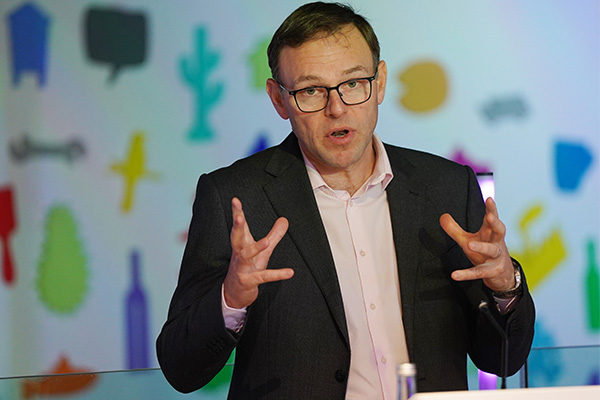
Richard saw the value of those connections when he brought the 6th International Symposium on Paediatric Inflammatory Bowel Disease to EICC in 2022. After poor turnout at previous meetings, he says, “the success of the Edinburgh event acted as a catalyst to reignite the meeting.”
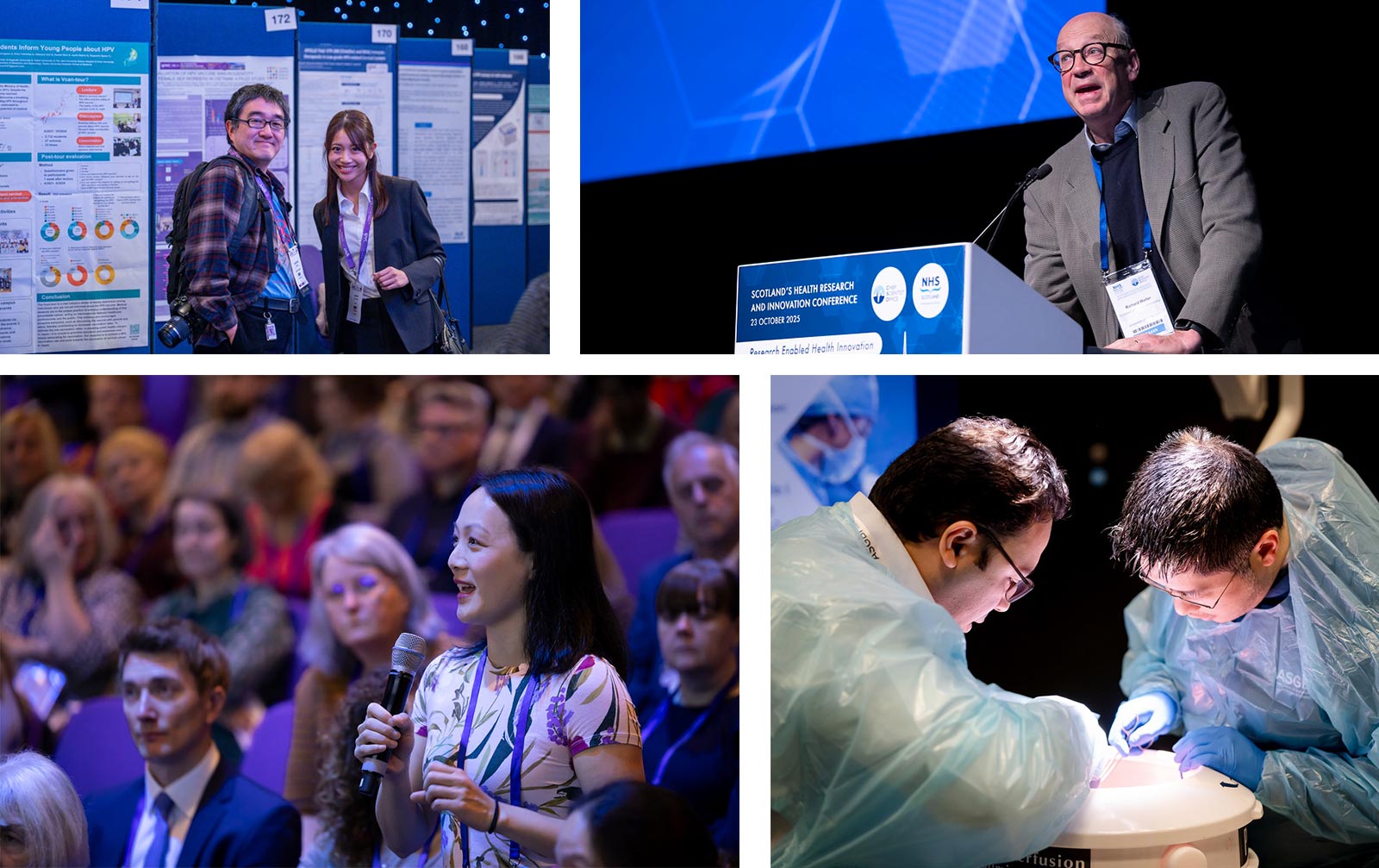
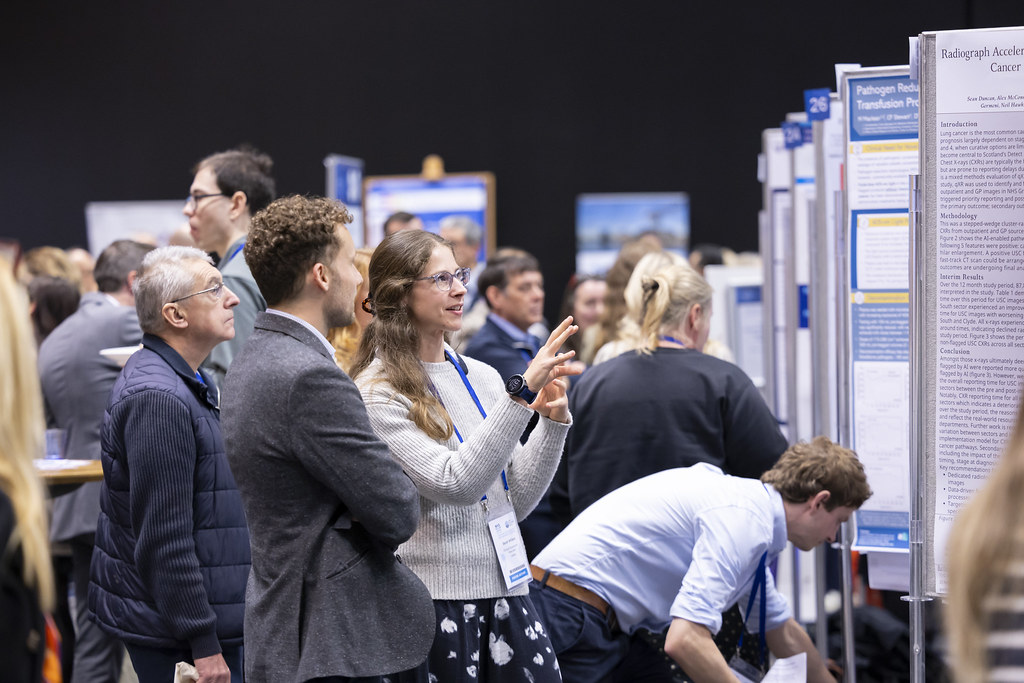
Richard cites state-of-the-art facilities and flexible spaces as key but notes that delegates also really valued the meaningful discussions that took place outside of the core sessions, as well as the opportunity to travel around the destination. These are precisely the ripple effects of the Exchange Initiative.
“It’s led to an increased understanding of the significant impact of conferences within the city and also allowed us to showcase the best of Edinburgh.”
Confidence to think bigger
For veteran conference planners like Professor Vipin Zamvar, having confidence in the venue and destination means being able to relax and focus on the bigger picture. A cardiothoracic surgeon at the Royal Infirmary of Edinburgh, Vipin has organised 10 conferences in 15 years, including the British Cardiothoracic Surgery Conference at EICC in 2025. In 2027, he will bring the ISMICS Annual Meeting to the Edinburgh, where the world’s leading minds in minimally invasive cardiothoracic surgery will gather - for four days of science, innovation and community.,
“EICC has always been the perfect co-host,” he says. “Their support is excellent and they have dedicated people who know everything about the conference – so I can just let them run it and I know it will work out fine.”
Edinburgh itself helps draw delegates, he adds. “People want to come to Edinburgh. They like visiting, combining it with a family holiday or tracing their Scottish ancestry. It all makes my job much easier.”
“EICC has always been the perfect co-host. Their support is excellent … so I can just let them run it and I know it will work out fine.”
– Professor Vipin Zamvar, Conference planner
For some, the visit also renews professional ties. Many of the trainees attending are fellows of the Royal College of Surgeons of Edinburgh, and use the opportunity to reconnect with the College while they are in the city.
The benefits extend to those at the start of their careers, too. Vipin says medical students are already keen to volunteer at the ISMICS meeting. “It’s a big eye opener for the students. Even if they don’t understand it all, I think it inspires them to be better and do better.”
For Asier, the promise lies in what happens when researchers and industry leaders meet. “In 2027 the world of medicinal chemistry and pharmaceuticals will come together for a few days at EICC. We’re anticipating exciting announcements, from pharmaceutical companies launching new drugs to the achievements that flourish from the interactions of leading companies across Europe and the US.
“That’s ultimately why we do what we do - for the impact it might have in the future.”