
NatWest’s Internal Audit Academy became the first event to achieve Platinum accreditation for neuroinclusive events, following its 2025 Gold accreditation. Working with EICC and Welcome Brain, the 2026 event embedded neuroinclusion across event planning, communications, the venue environment and delegate experience.
A version of this case study was first published by M&IT magazine.
NatWest’s Internal Audit Academy became the first event to achieve Gold-level accreditation through the Welcome Brain Neurodiversity in Events Checklist in 2025.
Following the success of the 2025 event, the decision to pursue Platinum was made early in the planning process. The team wanted to build on what they had learned, rather than simply repeat the measures that had worked the previous year and look more closely at how delegates experienced the event.
Working with EICC and Welcome Brain, the team looked at where they could improve and how they could give people more choice and flexibility, with neuroinclusion considered across every stage of the event.
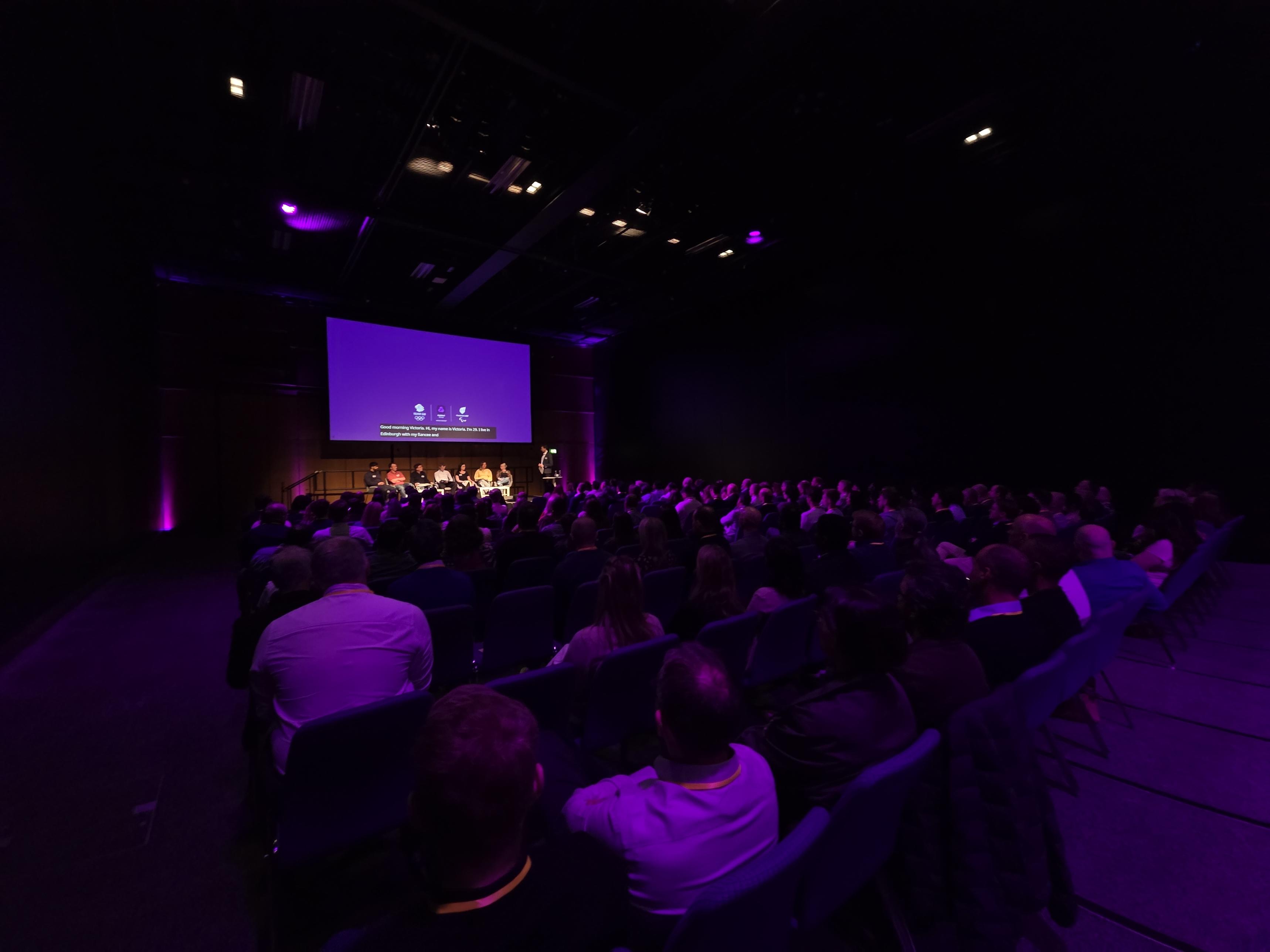
The 2026 Audit Academy welcomed 400 colleagues to EICC in June and became the first event to achieve Platinum accreditation.
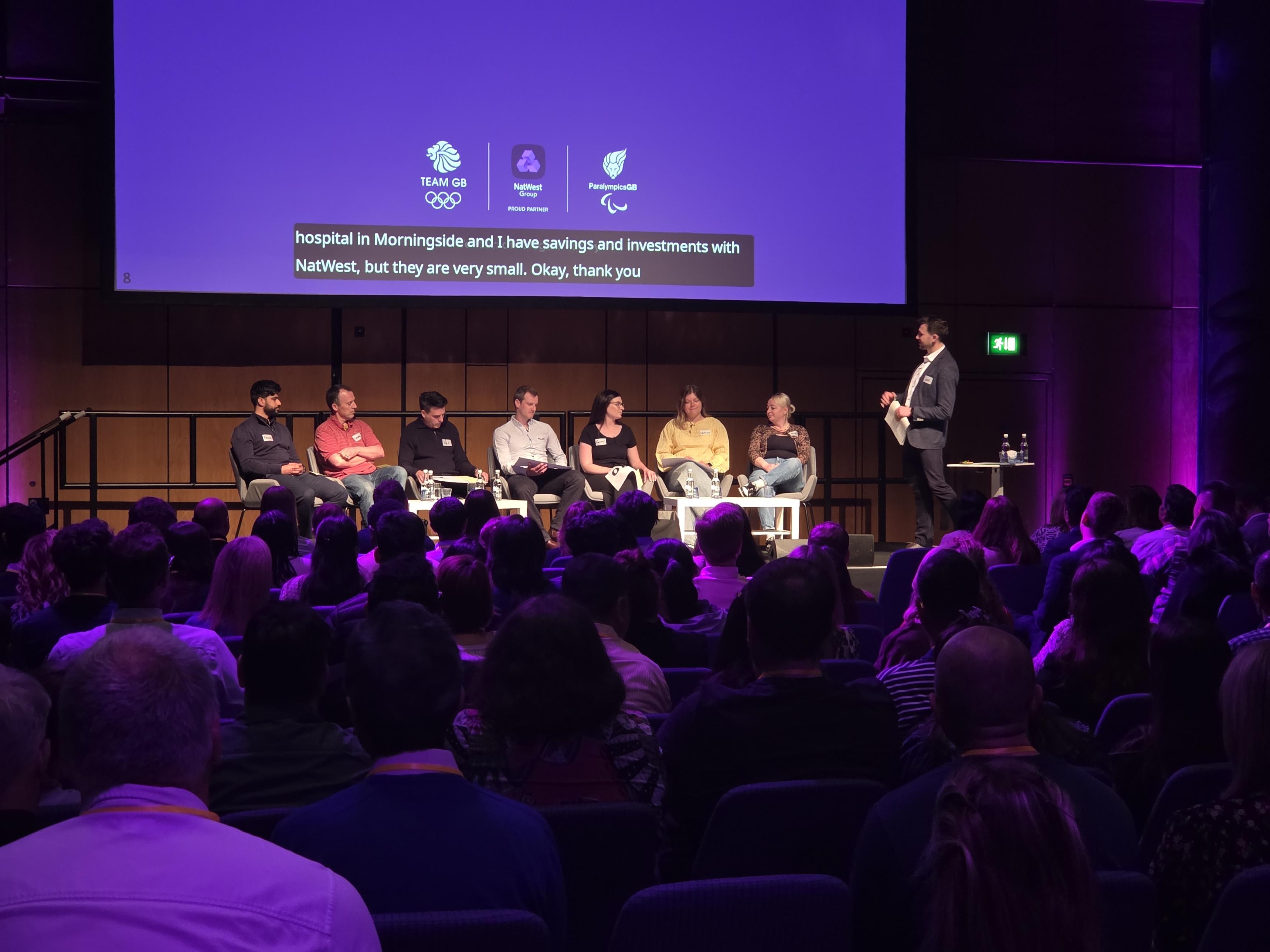
Building on strong foundations
The 2025 Audit Academy had already introduced several measures to support neurodivergent delegates. Accessible information was shared before the event, Neuroinclusion Champions were available, and the programme included quiet rooms, adaptable seating and low-sensory spaces.
The key shift from Gold to Platinum was moving from providing strong neuroinclusive adjustments to embedding neuroinclusion into the design of the entire event from the outset.
Interactive tools supported different ways of participating, while speakers received coaching to help make content more accessible.
Feedback from the event was positive. It also showed that many of the measures introduced for neurodivergent colleagues were useful to the wider audience.
For 2026, the team wanted to take this further. The key shift from Gold to Platinum was moving from providing strong neuroinclusive adjustments to embedding neuroinclusion into the design of the entire event from the outset.
This meant considering neuroinclusion across planning, communications, the physical environment, delivery and follow-up, with a more proactive and consistent approach across the event.
The team looked at everything from what delegates knew before they arrived and how they moved around the venue, to how they took part in sessions, where they could go to spend some time away from the main event and how they accessed support.
One of the biggest challenges was maintaining that consistency across all of these touchpoints, rather than making individual improvements in isolation.
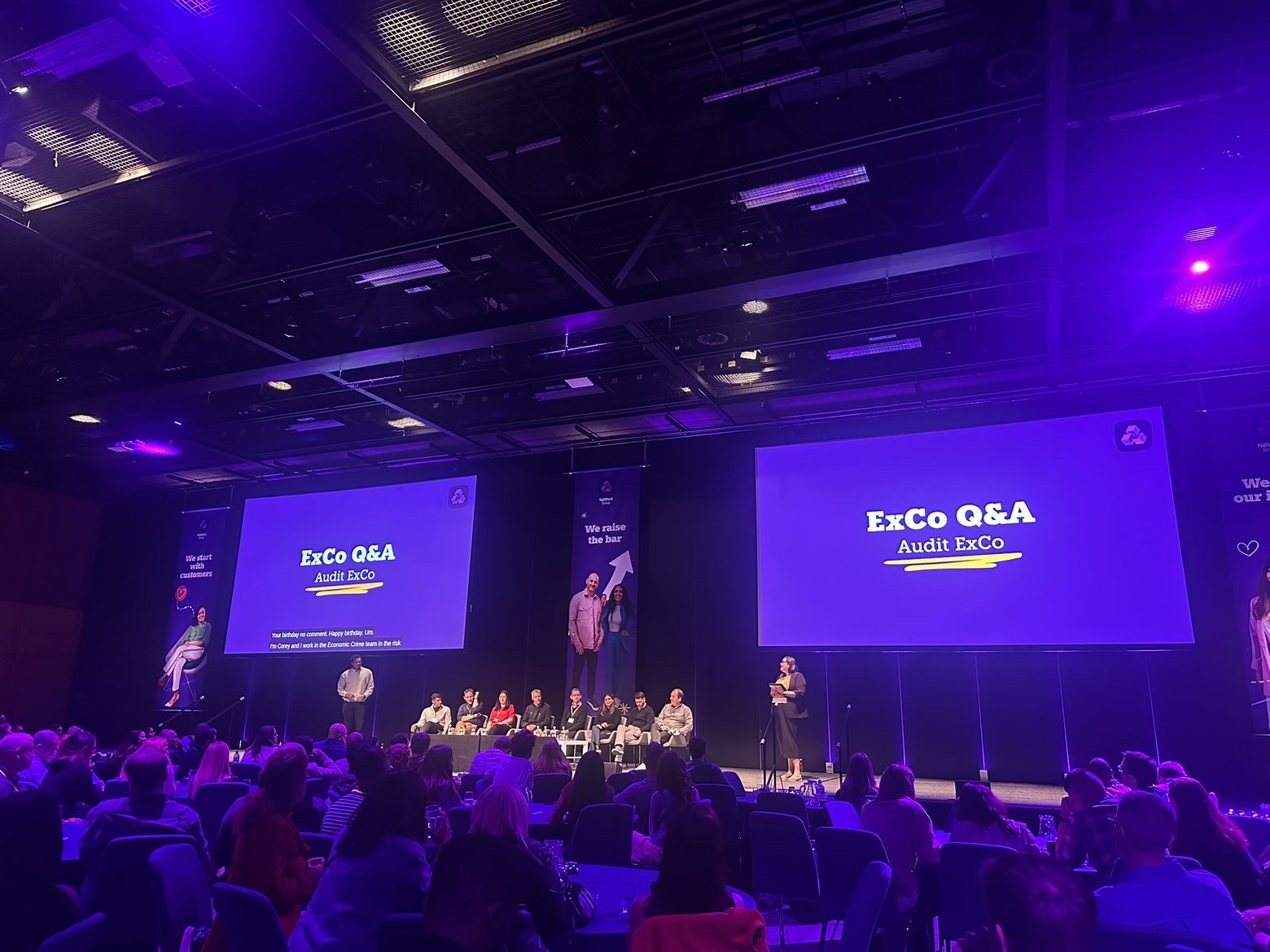
Starting with the delegate experience
EICC worked with NatWest and Welcome Brain from the planning stages, looking at how the requirements of the Neurodiversity in Events Checklist could be applied to the event and the venue.
The planning was also informed by lived experience, with a neurodivergent member of the NatWest team helping to shape the event and bring a different perspective to decisions about the delegate experience.
This helped the team consider how proposed measures would work in practice and identify areas that might otherwise have been overlooked.
The organisers also took a more proactive approach to individual support, contacting delegates about any adjustments they might need rather than waiting for requests to come in.
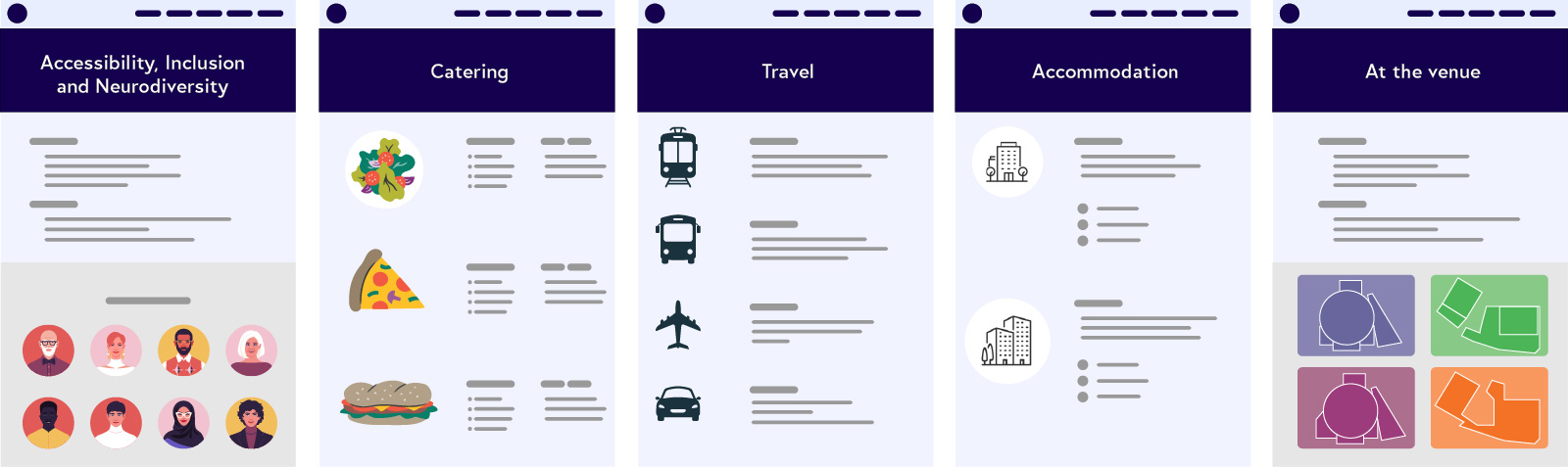
Helping people know what to expect
The Audit Academy website was already used to provide information before the event. For 2026, the team expanded the content and made it available earlier.
Delegates could access:
- An accessibility and neurodiversity FAQ
- Details of available adjustments and who to contact
- Information about the Neuroinclusion Champions
- A Q&A webinar
- A social story
- A pre-event video for people who prefer audio or visual information
- Virtual tours and maps
- More detailed information about the venue and what to expect
- Clear information about the agenda and menus
Providing this information in advance gave delegates the opportunity to familiarise themselves with the event and venue and know what to expect before they arrived.
Looking at the venue
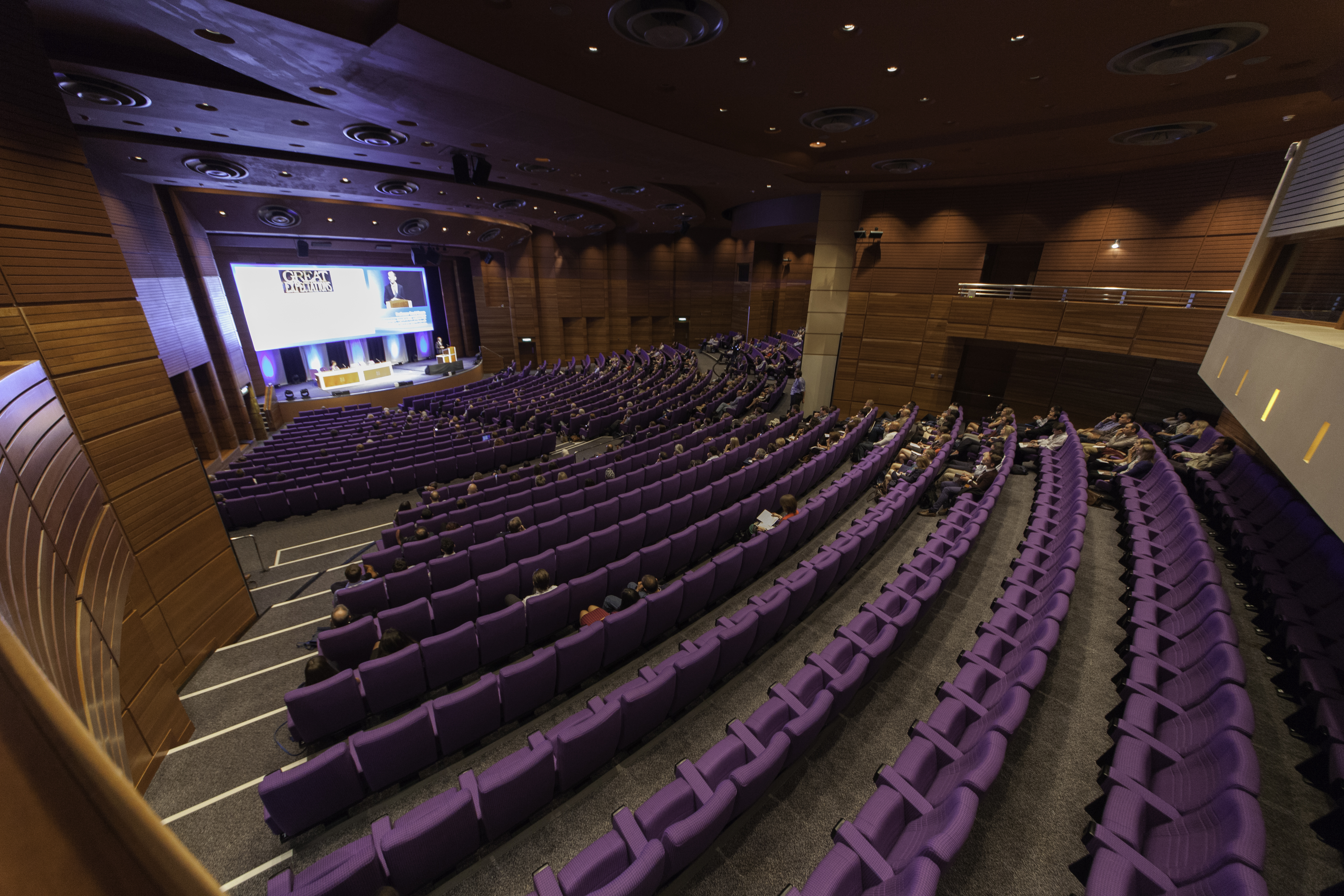
A structured sensory audit of EICC was carried out as part of the planning process. The EICC team worked with NatWest on the physical environment, including flexible and low-sensory routes, adaptable spaces and dedicated quiet room options.
“The EICC team took time to understand our objectives … their proactive and flexible approach played a significant role in helping us achieve a Platinum Standard event.”
- Libby Embling, NatWest
Lighting and acoustics were also considered, alongside catering and other practical requirements, with adjustments made to support the neuroinclusive approach.
Involving the venue early meant that requirements could be discussed in the context of the building and the event itself, rather than being dealt with shortly before the event.
NatWest’s Senior Auditor - Finance, Internal Audit, Libby Embling, said: “The EICC team took time to understand our objectives and worked closely with us to implement meaningful adjustments across the venue. Their proactive and flexible approach played a significant role in helping us achieve a Platinum Standard event.”
On the day, EICC provided technical and accessibility support and worked alongside the NatWest team to respond to any requirements that arose.
Welcome Brain provided ongoing practical advice throughout the planning process, helping the team use the checklist to track progress and consider where further improvements could be made.
Libby added: “Welcome Brain were a great support throughout the planning process right through until the event day. Andy Williamson was always available to answer questions, offer expert guidance, and share insights, which helped us confidently embed neuroinclusive principles across every aspect of the event.”
Giving delegates more choice
The number of trained Neuroinclusion Champions increased, giving delegates more people they could approach if they needed support.
Real-time support and feedback mechanisms were also introduced so that delegates could raise any issues during the event.
Catering was reviewed, with grab-and-go lunch boxes introduced alongside the existing options.

The options were available to everyone attending the event, so delegates could choose what worked for them without having to disclose a diagnosis or explain why they needed a particular adjustment.
This approach was intended to make inclusive features part of the overall event experience, rather than something that required delegates to identify a specific need in advance.
Platinum accreditation
The 2026 Audit Academy achieved Platinum accreditation, building on the Gold accreditation achieved the previous year.
Feedback from attendees was also positive, with 84% of respondents rating the event four or five stars for inclusivity and accessibility.
For the team, the value of the process went beyond achieving the accreditation itself. Different delegate needs were considered much earlier in the planning process, rather than starting with a standard event format and adding adjustments afterwards.
The result was a more integrated approach, with neuroinclusion considered across planning, communications, the physical environment, delivery and follow-up.
Feedback from attendees was also positive, with 84% of respondents rating the event four or five stars for inclusivity and accessibility.
For EICC, the event also showed the role a venue can play when it is involved early enough in the planning process. The physical environment, lighting, acoustics, catering, technology and on-site support all formed part of the wider approach to inclusion.
Lessons for event planners
The NatWest Audit Academy offers some practical lessons for planners looking at how to make their own events more inclusive.
Start early
Consider inclusion when the event is being planned rather than waiting for individual requests. This gives the team more time to understand what people might need and find solutions that work within the event.
Ask people with lived experience
People with experience of neurodivergence can bring a perspective that is difficult to replicate through research alone. Involving them in planning can help identify things that might otherwise be missed.
Give people options
Different ways of accessing information, taking part in sessions, taking a break or having lunch can give delegates more control over their experience. Making these options available to everyone also means people don't have to disclose a diagnosis or explain why they need them.
Involve the venue early
By considering different needs from the outset and giving everyone more choice, planners can create an event that works better for a much wider audience.
The venue is an important part of the delegate experience. Bringing the venue team into the planning process early gives organisers time to consider the physical environment and work through what is practical.
The biggest lesson from the Audit Academy is that neuroinclusion doesn't have to mean creating a separate experience for some delegates. By considering different needs from the outset and giving everyone more choice, planners can create an event that works better for a much wider audience.