
How the EICC supported Europe's only inclusive life sciences conference – and what event organisers can learn from it
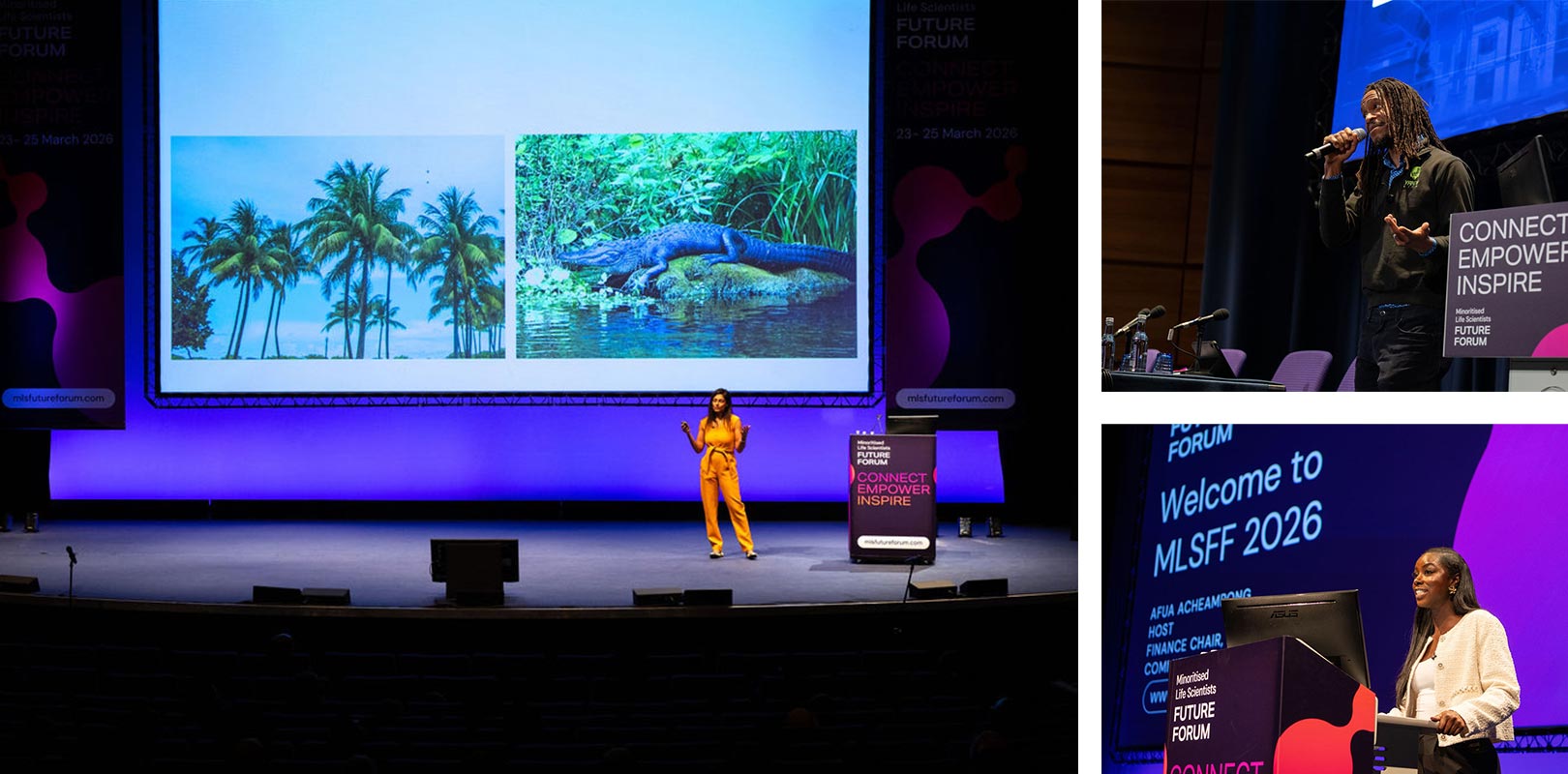
EARLIER this year, we were proud to welcome the Minoritised Life Scientists Future Forum (MLSFF) – Europe's only conference dedicated to life scientists from marginalised and underrepresented backgrounds – to the EICC.
Greater diversity in the life sciences sector strengthens the science itself. Research is stronger when the people behind it bring different perspectives, experiences and ways of thinking. The life sciences sector has a persistent diversity problem, yet scientists from minoritised backgrounds face systemic barriers at every stage of their careers: in access to funding, in the scarcity of visible role models, and in the basic experience of walking into a conference room and seeing no one who looks like them.
"The Minoritised Life Scientists Future Forum shows us what is possible when people feel seen, heard and valued … This is just the beginning."
- Professor Emmanuel Adukwu
Professor Winston Morgan, Professor of Equity and Inclusive Practice at the University of East London, and one of the first to speak at MLSFF, knows this firsthand: “Climbing the very slippery academic ladder meant I had to force my way through many concrete ceilings, before making it to Professor after 25 years… there has to be a better way."
It's a challenge we take seriously at the EICC – and welcoming MLSFF this year was an opportunity to support and learn from an organisation who is part of the solution.
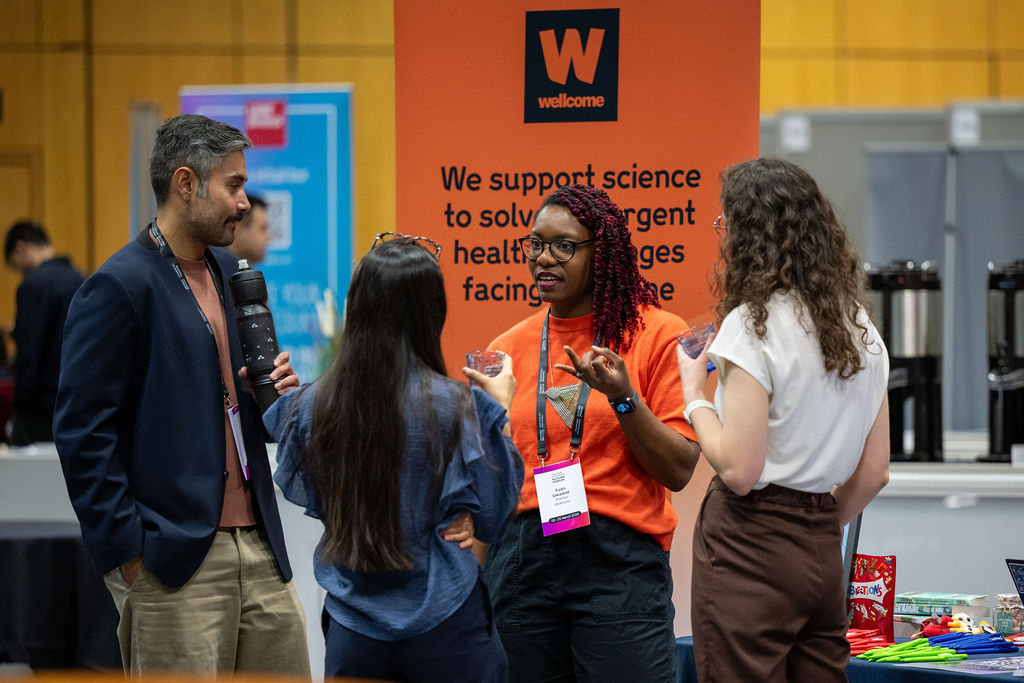
This year, around 500 delegates gathered at the EICC for three days of keynotes, panels, abstract presentations and networking. MLSFF Steering Committee Chair Professor Emmanuel Adukwu captured what was achieved: "The Minoritised Life Scientists Future Forum shows us what is possible when people feel seen, heard and valued. We created space, built trust and inspired a new generation of scientists. This is just the beginning."
The challenge in numbers |
|
|---|---|
 |
Black scientists make up just 0.8% of all professors in the UK, and only 2.9% of Black academics are in research-focused roles, with many citing unconscious bias and unclear promotion pathway s as barriers to career progression. |
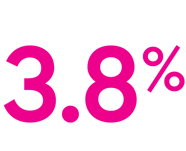 |
Just 3.8% of STEM academic staff declare a disability – perhaps most telling, scientists become less likely to disclose a disability as their careers progress, suggesting the barriers aren't just to getting in, but to staying and moving up. |
Supporting inclusion from the start
For the MLSFF, inclusion isn’t a single initiative, but a principle that runs through every decision, from how the event is funded to how it’s run on the day. We were glad to be a venue that could support that principle in practice.
Jon Richards, Senior Project Manager at Brightelm, which provided professional conference management support for the event, reflects on how MLSFF approached inclusion – and what other event organisers can take from it.
Many delegates are early-career scientists who have to self-fund their attendance, meaning the cost of a ticket, travel and three nights of accommodation can be a genuine barrier. MLSFF's response was to build a funding programme that removes those barriers entirely, with support from partners and funders. "Getting people to the event is itself an accessibility requirement," says Jon.
The programme is designed with the same intention. MLSFF's Programming Committee, led by Dr Amara Anyogu, selects speakers and panellists in part because they are people who have progressed in the field. "It's important for those younger or early career individuals to be able to learn from them, but also see what they've done in their career, and effectively be inspired," says Jon.
Why Edinburgh – and why the EICC?
Venue choice, for MLSFF, follows the same accessibility principle. A city centre location means accommodation is close and costs are manageable, making the delegate funding package stretch further. Our location, layout and approach to accessibility aligned with what the Forum needed: flexible spaces, a large auditorium, an exhibition area, and proximity to accommodation.
Delegates also benefit from EICC Gateway, our dedicated support service offering exclusive discounts on accommodation, restaurants, bars and activities across Edinburgh, as well as 25% off LNER rail travel to and from the city – making attendance more accessible for everyone.
What inclusion looks like in practice
Many of the delegates who come to the Future Forum are attending a business conference for the first time. "They often arrive feeling quite anxious," Jon says. "A warm and welcoming venue and event team is as important as any physical provision.”
The Forum draws delegates from across the UK and internationally, with a wide range of dietary requirements, food preferences and cultural backgrounds.
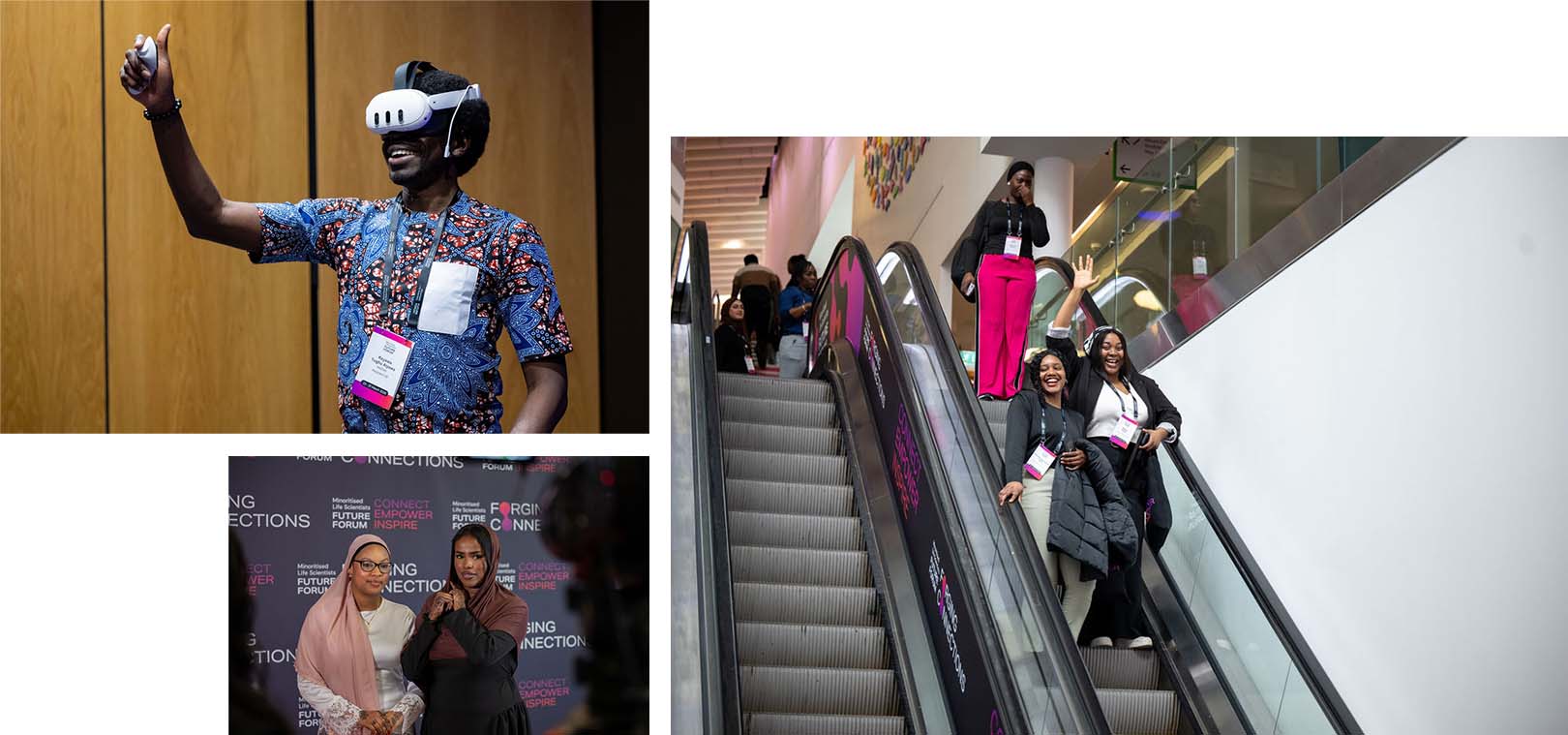
We provided dedicated prayer spaces separately for men and women, rather than a single shared room, and a quiet space was considered essential rather than optional. "My opinion on that has shifted through seeing the benefits of it," says Jon. "You don't want people to be so exhausted that they're not able to network or consume information by the afternoon."
Food was another priority. The Forum draws delegates from across the UK and internationally, with a wide range of dietary requirements, food preferences and cultural backgrounds. Our catering team, EICC Nourish, worked closely with MLSFF and Brightelm on the menu, going through a tasting process and responding to feedback that the initial proposal needed to go further. The collaborative approach resulted in a revised menu better suited to the conference audience. “EICC came back with a different menu based on our feedback," Jon says. "They responded really well."
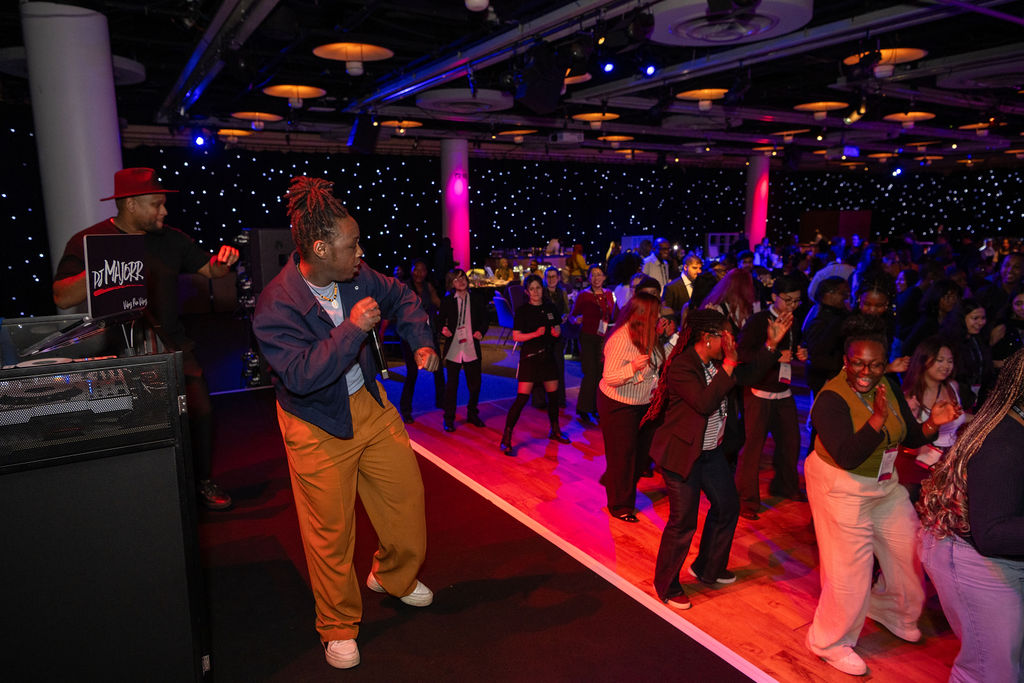
Network of relationships
One of the most valuable conversations we have with event organisers is about where responsibility for inclusion actually sits. Jon says, "It becomes a bit unfair if all of the pressure is put on the venue. The event organisers need to come to the planning process with ideas, creativity, and openness."
At the EICC, our Event Planning team works closely with organisers from the outset, not just to understand what they need, but to proactively identify opportunities: dedicated prayer spaces, quiet rooms, event timings that better reflect how delegates experience the day.
"There are a lot of different conditions that affect a broad number of people, some diagnosed, some not. It's a very broad spectrum."
- Jon Richards, Brightelm
We were glad that MLSFF and Brightelm chose to work the neuro-inclusive events checklist we developed in partnership with Welcome Brain and ABPCO – a publicly available tiered framework that gives organisers something concrete to plan against and report on.
Jon acknowledges that neurodiversity can present a more complex challenge than physical accessibility: "There are a lot of different conditions that affect a broad number of people, some diagnosed, some not. It's a very broad spectrum."
Programme format is also part of the accessibility picture. MLSFF's programme reflects this; alongside keynote speakers, it includes abstract sessions where early-career researchers present their own work, and panel formats that give delegates different ways to engage. "Event planners need to be more flexible with the format of their event,” says Jon, “which will ultimately make their programme more accessible, because there’ll be something there for everybody."
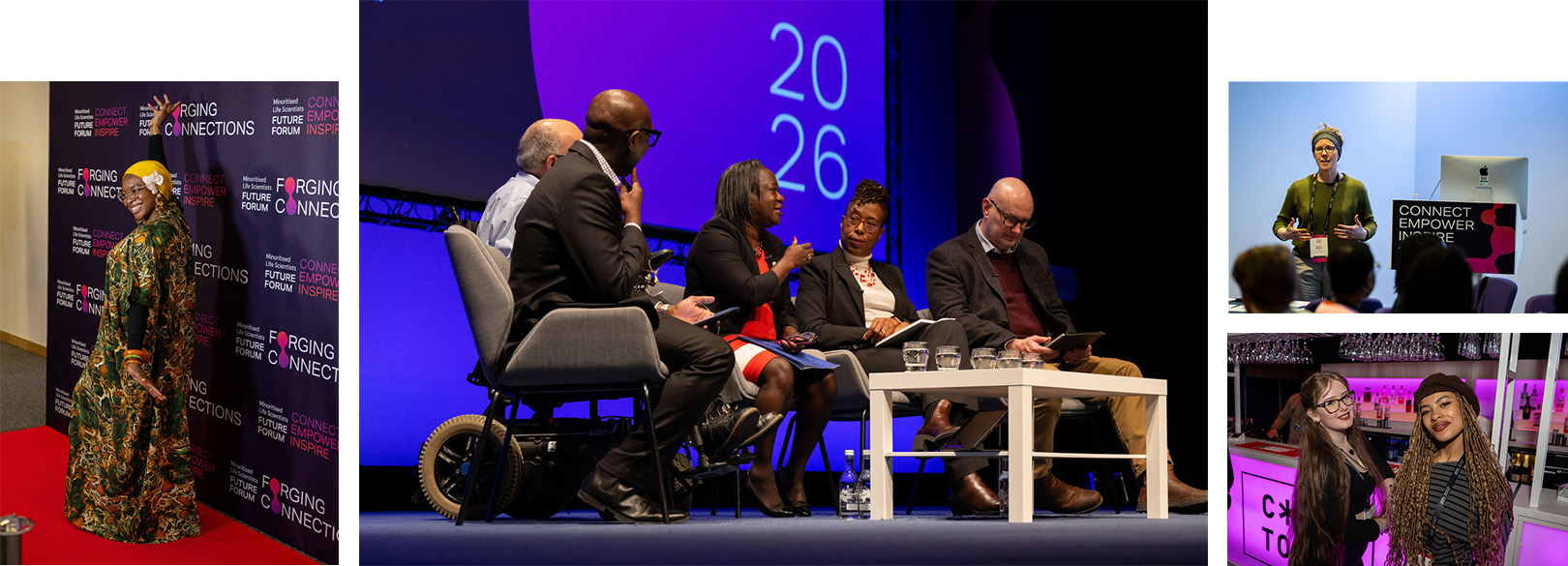
What this event means
This year also saw the launch of MLSFF's own ambassador scheme; 40 ambassadors spreading the word and extending the Forum's reach into institutions and communities across the UK.
MLSFF is drafting an impact report on the 2026 Forum, combining data and delegate feedback to build a picture of what the event achieved.
“The conversations taking place were not just about understanding challenges, but about finding ways to address them"
- Amanda Wrathall, EICC
“The event brought together people committed to widening opportunity, sharing experiences, and supporting the next generation of talent within the life sciences sector,” says Amanda Wrathall, CEO, EICC. “The conversations taking place were not just about understanding challenges, but about finding ways to address them, demonstrating how conferences can help drive positive impact well beyond the event itself."
For organisers and delegates alike, the decisions that make a conference work for minoritised scientists – such as funding access, flexible spaces, considered catering, and neuro-inclusive provision – make it work better for everyone. "All the things we've done and learned from the Future Forum, I’d bring to any event we work on," says Jon.
Amanda Wrathall adds, “At the EICC, we see every day how bringing people together can spark ideas, build connections and create meaningful change. The Minoritised Life Scientists Future Forum was a powerful example of that in action.”
If you're planning a conference and want to explore how the EICC can support your accessibility and inclusion requirements, get in touch.